
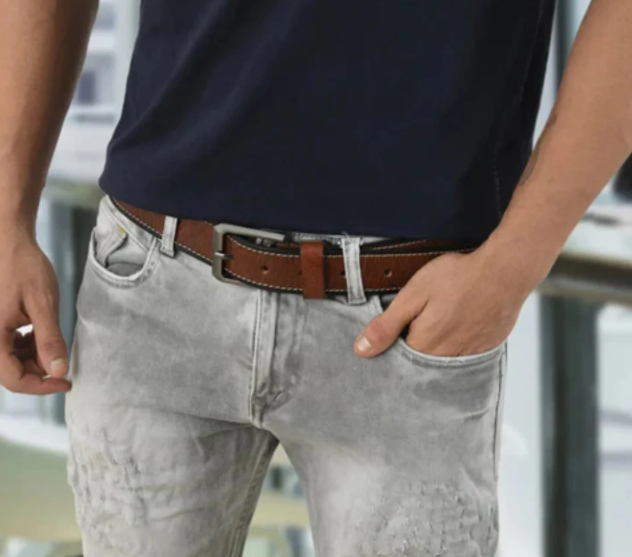
Premium Leather Belt: The Foundation of a Well-Dressed Wardrobe
The leather belt is one of those rare accessories that is simultaneously functional and deeply stylistic. A premium leather belt does not merely hold up your trousers — it anchors your entire outfit, frames your waistline, and communicates volumes about your personal attention to quality and detail. While it may seem like a minor element in the grand scheme of your wardrobe, anyone who has worn a truly exceptional leather belt understands the difference it makes. This guide explores everything you need to know about selecting, styling, and caring for a premium leather belt.
What Makes a Belt “Premium”
The term “premium” gets thrown around liberally in fashion marketing, but when it comes to leather belts, there are specific, tangible qualities that justify the label. Premium leather belts are characterized by full-grain or top-grain leather construction, solid metal hardware, clean hand-finishing, uniform dyeing, and construction methods that ensure durability over decades rather than seasons. They age gracefully, developing a patina — a subtle darkening and character that forms with wear — that cheap belts simply cannot replicate.
Types of Leather
Understanding leather types is essential when evaluating belt quality:
- Full-Grain Leather: The highest quality available, made from the outermost layer of the hide with the natural grain intact. Incredibly durable, develops beautiful patina over time.
- Top-Grain Leather: Slightly sanded to remove imperfections, resulting in a more uniform appearance while retaining good quality and durability.
- Genuine Leather: A misleading term that actually refers to lower-quality leather made from inner layers. Less durable and does not age as well.
- Bonded Leather: Made from leather scraps bonded with adhesive. The lowest quality and should be avoided for long-term wear.
Belt Hardware and Construction
The buckle and hardware on a premium belt should be made from solid brass, stainless steel, or sterling silver — never hollow plastic or pot metal. Look for buckles that are securely riveted or stitched to the strap, not merely glued. The belt holes should be clean-punched and reinforced. The back of a quality belt should be smooth and finished, not rough or raw. Stitching, if present, should be tight, uniform, and reinforced at stress points.
How to Choose the Right Width
Belt width should complement the style of your trousers and overall outfit:
- Formal dress trousers typically feature narrow belt loops suited for 1–1.25 inch belts.
- Chinos and casual trousers work well with 1.25–1.5 inch belts. Premium Leather Belt
- Jeans and casual wear pair naturally with 1.5–1.75 inch belts.
- Western-style or statement belts can be 2 inches or wider. Premium Leather Belt
Color and Finish Coordination
The traditional rule of matching your belt to your shoes remains relevant in formal contexts. A rich brown belt with tan or walnut dress shoes, a black belt with black or dark leather shoes, and a cordovan belt with burgundy footwear all represent classic, cohesive combinations. However, contemporary fashion allows more flexibility — a contrast between belt and shoe color can be intentional and stylish in casual settings, especially when other elements of the outfit tie the look together.
Premium Leather Belt
A good leather belt is extraordinarily versatile. For formal business wear, a slim, polished black or dark brown belt with a minimal frame buckle presents a clean, professional image. For smart casual outfits, a slightly wider tan or cognac belt adds warmth and personality. With jeans and casual shirts, a more rugged, distressed leather belt adds character and texture. For outdoor or workwear aesthetics, wide belts in heavy-duty leather complement the utilitarian spirit of the look. Premium Leather Belt
Measuring for the Perfect Fit Premium Leather Belt
Many people make the mistake of buying a belt the same size as their trouser waist. In reality, you should buy a belt that is 2 inches larger than your trouser waist size. This accounts for the fact that trousers sit slightly away from the skin. The buckle hole you use should ideally be the middle one of five, giving you room to adjust as your weight fluctuates slightly season to season. Premium Leather Belt
How to Care for Your Leather Belt
A premium leather belt rewards proper care with decades of reliable service. Wipe your belt down periodically with a damp cloth to remove dust and surface grime. Apply a quality leather conditioner every few months to prevent drying, cracking, and stiffness. Store belts rolled or hanging on a belt rack — avoid folding, which can create permanent creases. Keep leather away from prolonged sunlight and extreme heat, which can cause fading and drying. With this simple care routine, a quality leather belt truly becomes a lifelong accessory.
Top Leather Belt Brands Premium Leather Belt
For those ready to invest in a quality leather belt, several brands consistently deliver excellence. Allen Edmonds, Trafalgar, and Ralph Lauren offer premium options at accessible luxury price points. Hermès, Gucci, and Bottega Veneta represent the pinnacle of designer leather goods. For artisanal American-made belts, brands like Tanner Goods and Orion Leather Co. are well worth exploring. Each brings its own aesthetic sensibility and construction philosophy to this enduring accessory. Premium Leather Belt
Premium Leather Belt
The premium leather belt is one of the best investments you can make in your wardrobe. Unlike trendy pieces that come and go, a beautifully made leather belt only improves with age, developing character and richness that mass-produced accessories can never replicate. Choose well, care diligently, and enjoy an accessory that will serve you faithfully for years — possibly decades — to come.
Expert Tips for Making the Most of This Purchase Premium Leather Belt
Beyond the fundamentals covered throughout this guide, a few expert tips can help you maximize the value and enjoyment you get from your purchase. First, resist the temptation to buy impulsively — take time to research, compare options, and understand what genuinely distinguishes one product from another. Second, pay attention to fit above all else. No amount of quality or style can compensate for a piece that simply does not fit well. Third, build relationships with quality retailers who offer after-sale support, alterations, repairs, and genuine expertise. These relationships transform one-time purchases into long-term partnerships that benefit your entire wardrobe.
Fourth, think systemically about how new purchases integrate with what you already own. The best wardrobe additions are those that create new outfit possibilities rather than existing in isolation. Fifth, document your styling experiments — take photos of outfits you love so you can recreate them effortlessly on days when inspiration is hard to find. These small habits, practiced consistently, turn a collection of individual pieces into a cohesive, functional, and genuinely personal wardrobe that truly serves your life.
