
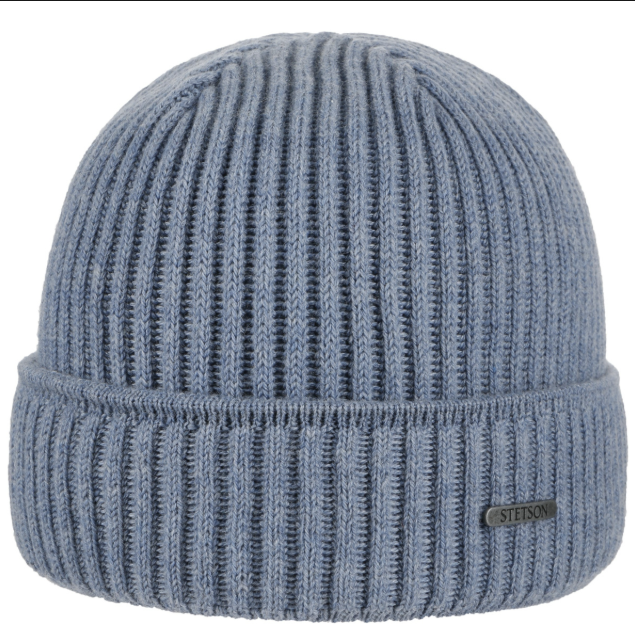
Knitted Wool Beanie: The Winter Essential You Need
When temperatures drop and the wind begins to bite, there’s nothing quite like pulling on a warm, cozy knitted wool beanie. This seemingly simple piece of knitwear is one of fashion’s most enduring and practical accessories, offering both genuine warmth and a surprising degree of style versatility. From ski slopes to city streets, the knitted wool beanie is a cold-weather essential that crosses all demographic boundaries and fits seamlessly into every kind of wardrobe.
The History of the Beanie
The beanie’s origins can be traced to the flat, brimless cap worn by blue-collar workers in early 20th century America and the traditional wool caps worn by sailors and laborers across Europe. The word “beanie” itself may derive from “bean,” slang for head. Over decades, the beanie evolved from purely functional workwear into a mainstream fashion accessory. By the 1990s and 2000s, beanies had become closely associated with snowboarding culture, grunge music, and streetwear fashion — a connection that remains strong today.
Why Wool is the Best Material
Not all beanies are created equal, and the material makes a substantial difference. Wool stands out as the premier choice for several compelling reasons. Natural wool fibers are hollow, trapping air and creating excellent insulation that keeps your head warm even in freezing temperatures. Wool is naturally moisture-wicking, pulling sweat away from the skin and allowing it to evaporate. It is also naturally odor-resistant due to its antibacterial properties. Merino wool, in particular, is prized for its exceptionally fine fibers that feel soft rather than scratchy against the skin — a common complaint with coarser wool varieties.
Types of Wool Beanies
The world of wool beanies offers considerable variety:
- Ribbed Knit Beanie: The classic style with vertical ribbing that provides stretch and a snug fit. Highly versatile and suitable for most face shapes.
- Cable Knit Beanie: Features raised cable patterns that add texture and visual interest. Slightly bulkier, with a cozy, traditional aesthetic.
- Slouchy Beanie: Has extra fabric that creates a relaxed, draped effect at the back. Popular in casual and streetwear contexts.
- Pom-pom Beanie: Features a decorative pompom at the top. Adds a playful, youthful energy to any cold-weather outfit.
- Fold-up Beanie: Has a wide cuff that can be folded up for a classic, structured look or unfolded for extra warmth coverage.
How to Style a Wool Beanie
The wool beanie is one of fashion’s most forgiving accessories when it comes to styling. For a classic winter look, pair a neutral-toned beanie with a chunky knit sweater, straight-leg jeans, and leather boots. For a sporty aesthetic, combine a brightly colored beanie with a fleece jacket, jogger pants, and trail runners. In the city, a sleek ribbed beanie in black or charcoal adds a cool, minimal edge to a structured coat and tailored trousers. The beanie also works beautifully as a pop of color in an otherwise neutral outfit.
Knitted Wool Beanie
A well-fitting beanie should cover the ears comfortably without feeling uncomfortably tight. Most adult beanies are designed to be one-size-fits-most, thanks to the natural stretch of knitted wool. However, if you have a la Knitted Wool Beanierger or smaller head, look for beanies with specific size options. The placement of the beanie on your head also matters stylistically: wearing it pulled down over the ears looks traditional and practical, while pushing it back on the crown creates a more relaxed, casual effect.
Caring for Wool Knitwear Knitted Wool Beanie
Wool requires gentle care to maintain its shape and softness. Most wool beanies should be hand-washed in cool water with a wool-specific detergent. Avoid wringing or twisting the fabric, as this can distort the fibers. Lay flat to dry on a clean towel, reshaping as needed. Never hang a wet wool beanie, as gravity can stretch it out of shape. Store your beanie folded in a drawer or cedar-lined box to deter moths, which can damage natural wool fibers. With proper care, a quality wool beanie can last many winters. Knitted Wool Beanie
Sustainability and Ethical Sourcing Knitted Wool Beanie
For eco-conscious consumers, the provenance of wool matters. Look for beanies made from certified cruelty-free wool, Responsible Wool Standard (RWS) certified farms, or recycled wool blends. Brands like Patagonia, Icebreaker, and Smartwool have made significant commitments to ethical and sustainable wool sourcing. Organic merino wool, sourced from farms that prioritize animal welfare and land management, represents the gold standard for responsible knitwear. Knitted Wool Beanie
Top Picks for Every Budget
Wool beanies are available across a wide price spectrum. At the premium end, brands like Johnstons of Elgin and Loro Piana offer exquisitely crafted beanies in finest-quality merino and cashmere blends. Mid-range options from Fjällräven, Arc’teryx, and L.L.Bean offer excellent quality and durability at more accessible prices. Budget-conscious shoppers will find solid options from brands like Carhartt and Uniqlo that offer genuine wool content without breaking the bank. Knitted Wool Beanie
Knitted Wool Beanie
The knitted wool beanie proves that practicality and style are not mutually exclusive. This humble piece of knitwear has earned its place as a cold-weather wardrobe essential precisely because it delivers on both fronts — keeping you genuinely warm while looking effortlessly cool. Invest in a quality wool beanie this season and discover the joy of a simple accessory done right.
Expert Tips for Making the Most of This Purchase Knitted Wool Beanie
Beyond the fundamentals covered throughout this guide, a few expert tips can help you maximize the value and enjoyment you get from your purchase. First, resist the temptation to buy impulsively — take time to research, compare options, and understand what genuinely distinguishes one product from another. Second, pay attention to fit above all else. No amount of quality or style can compensate for a piece that simply does not fit well. Third, build relationships with quality retailers who offer after-sale support, alterations, repairs, and genuine expertise. These relationships transform one-time purchases into long-term partnerships that benefit your entire wardrobe.
Fourth, think systemically about how new purchases integrate with what you already own. The best wardrobe additions are those that create new outfit possibilities rather than existing in isolation. Fifth, document your styling experiments — take photos of outfits you love so you can recreate them effortlessly on days when inspiration is hard to find. These small habits, practiced consistently, turn a collection of individual pieces into a cohesive, functional, and genuinely personal wardrobe that truly serves your life.
